FAWN

$30.00
sold out

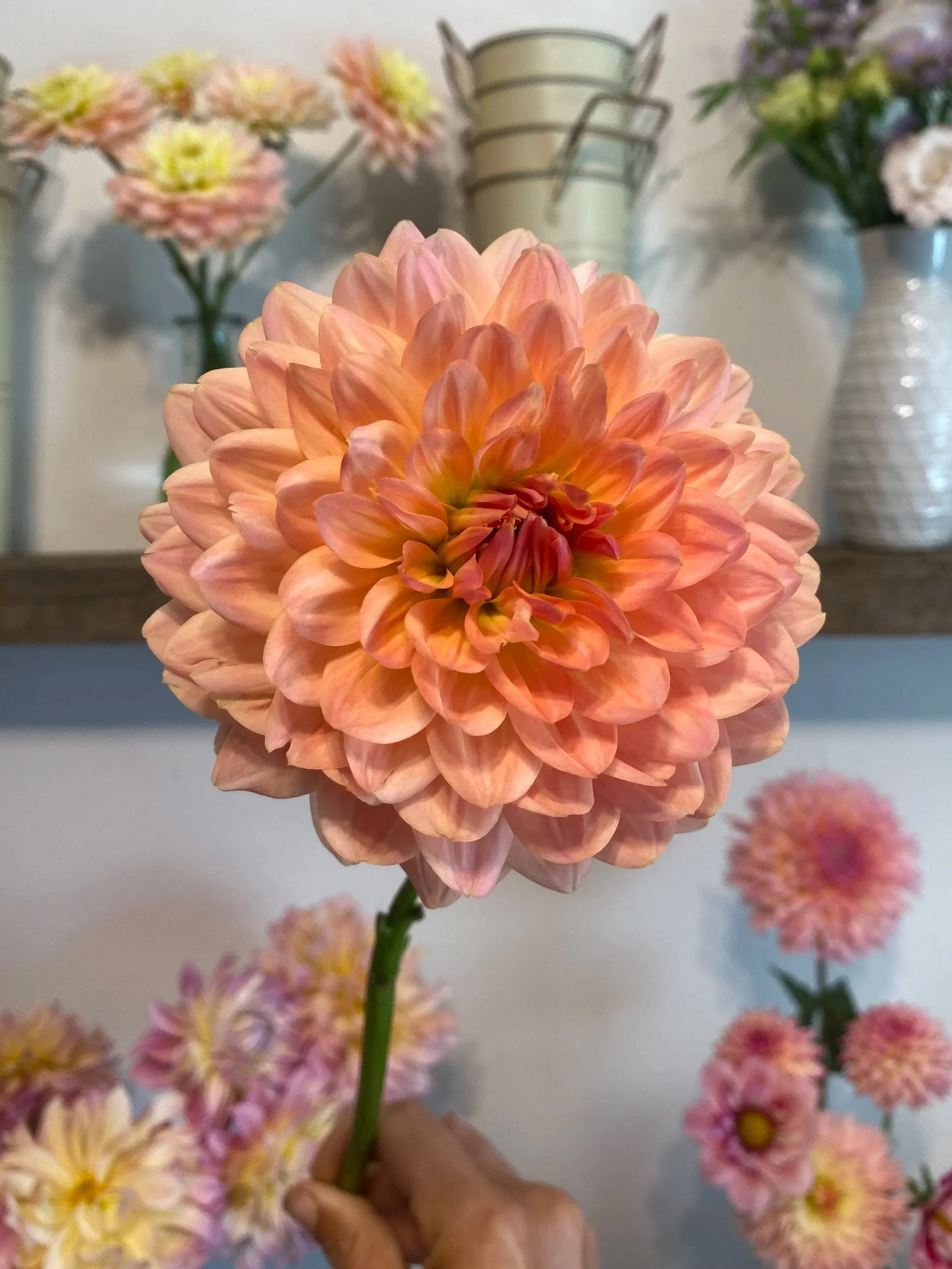
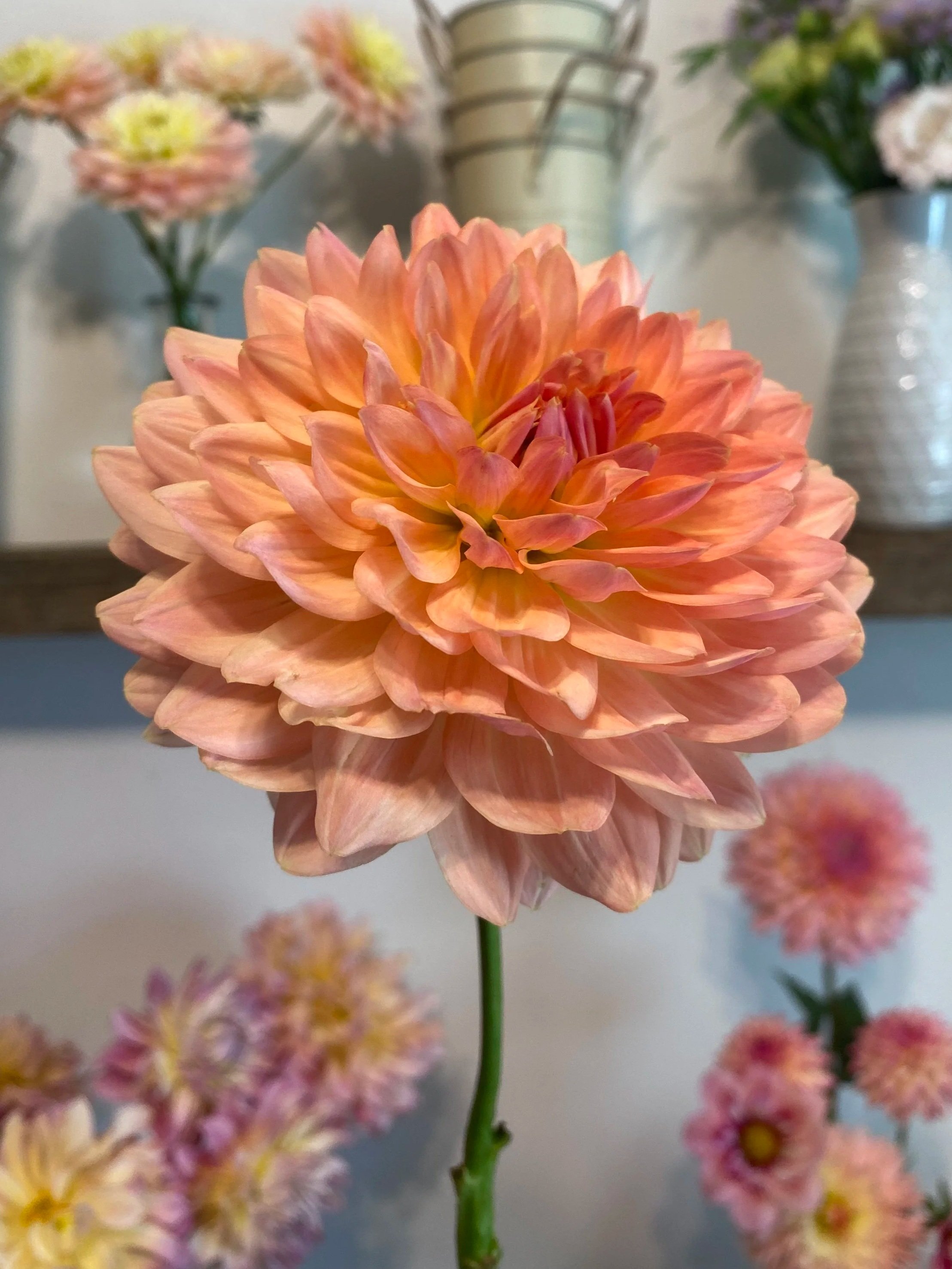
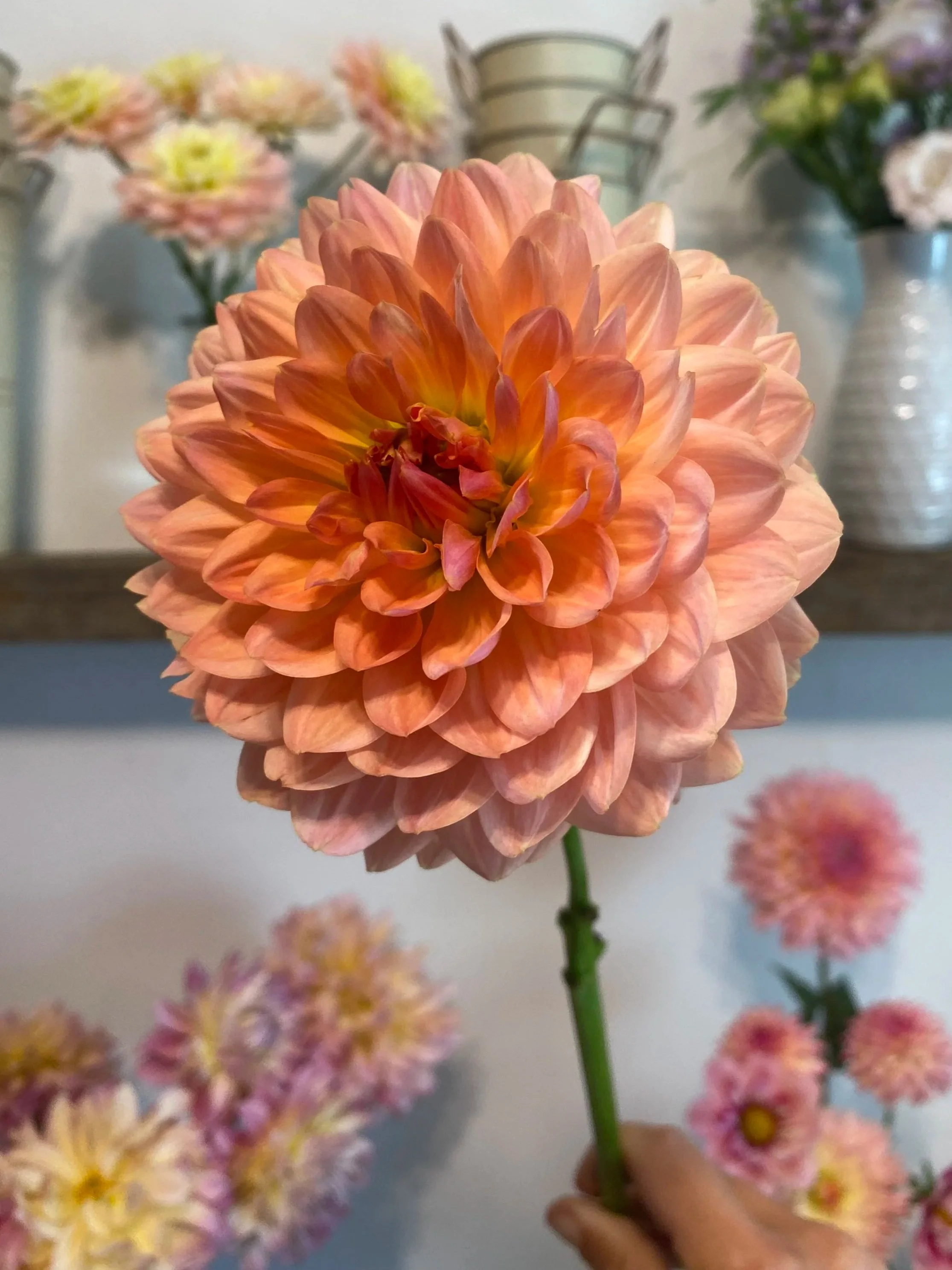
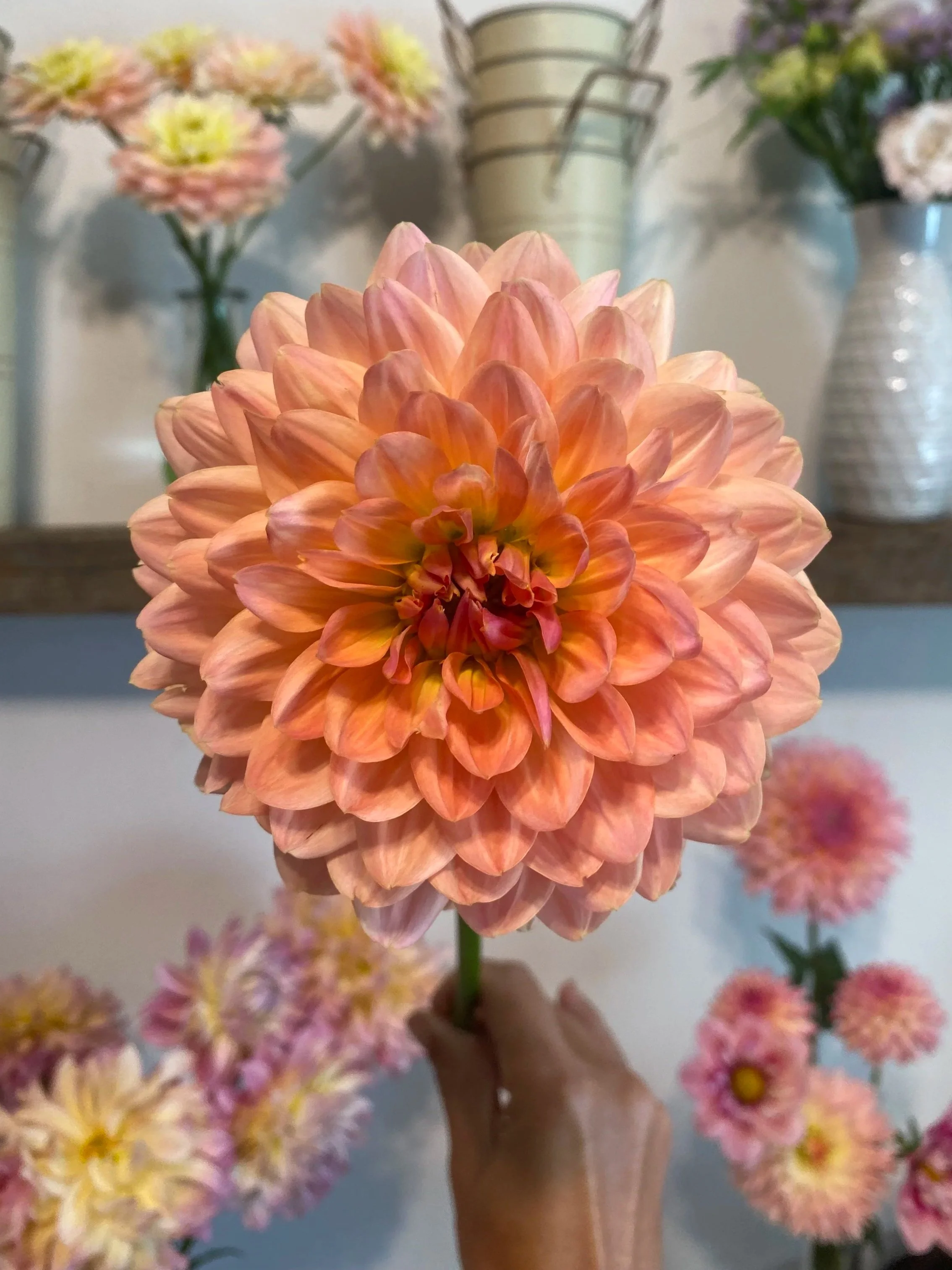
Fawn—a gorgeous waterlily dahlia who appears to be a bit of a shapeshifter. Before I grew her, I wondered why photos of her could look so different in color and form—continue reading for the scoop.

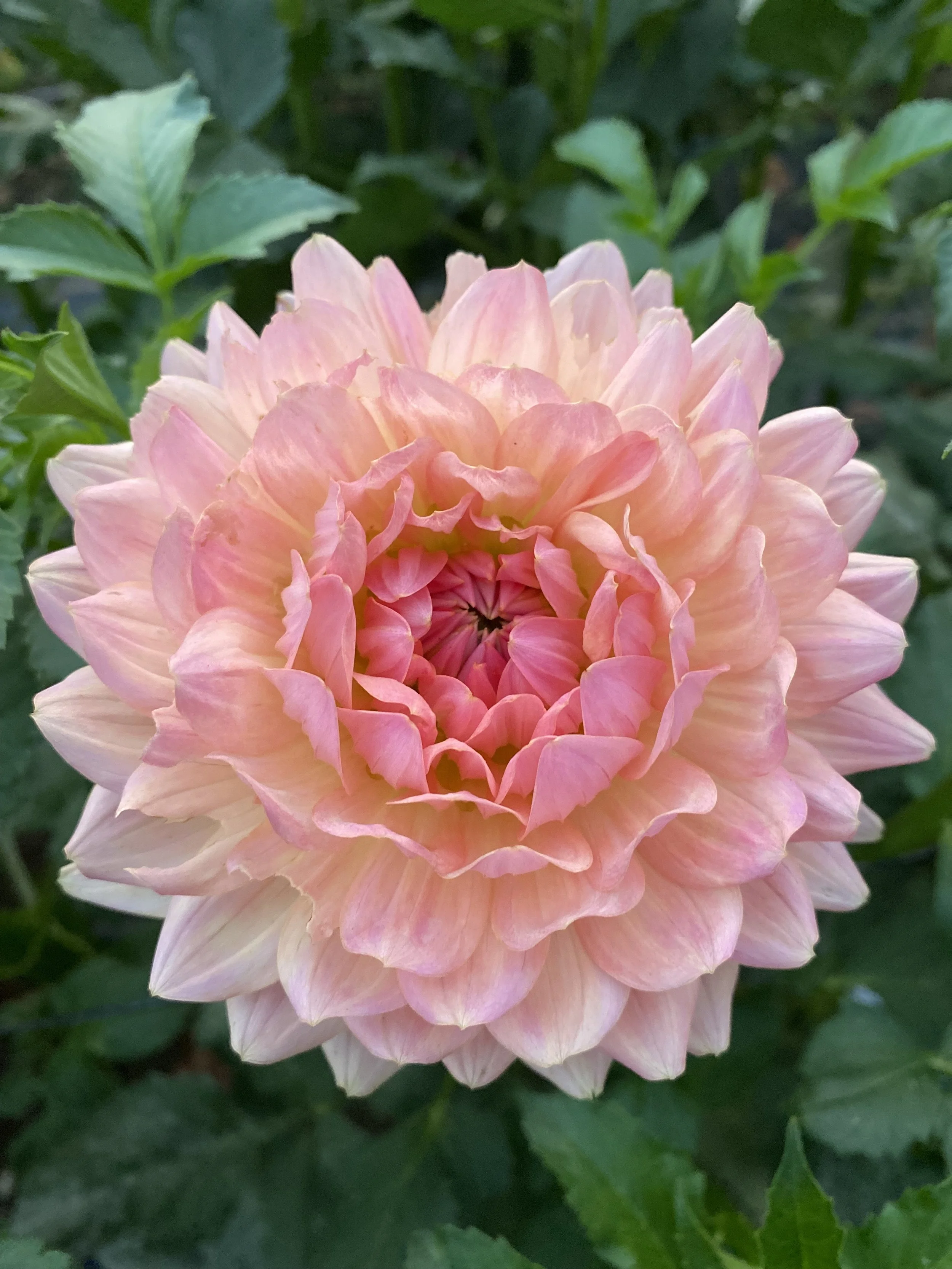
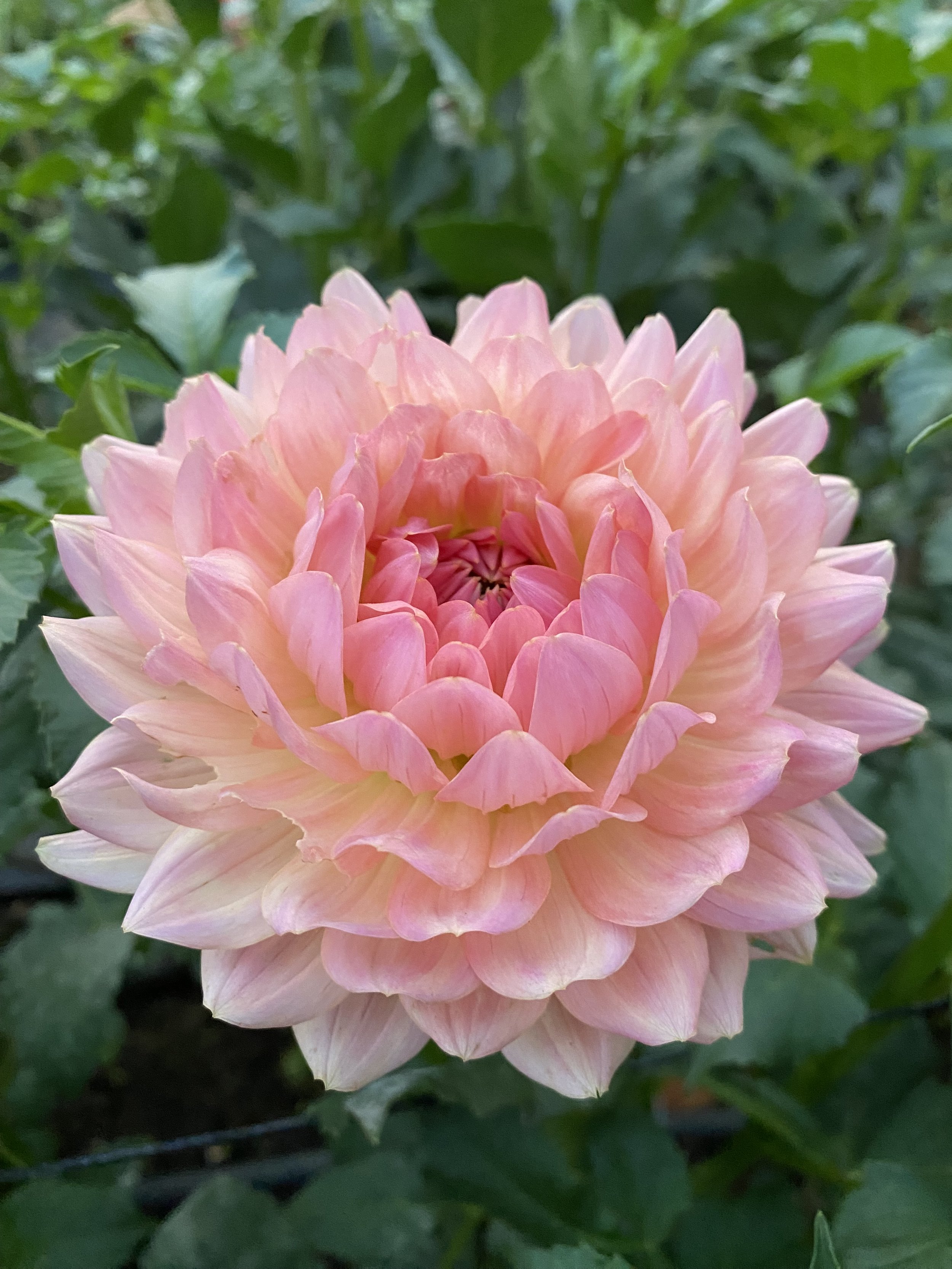
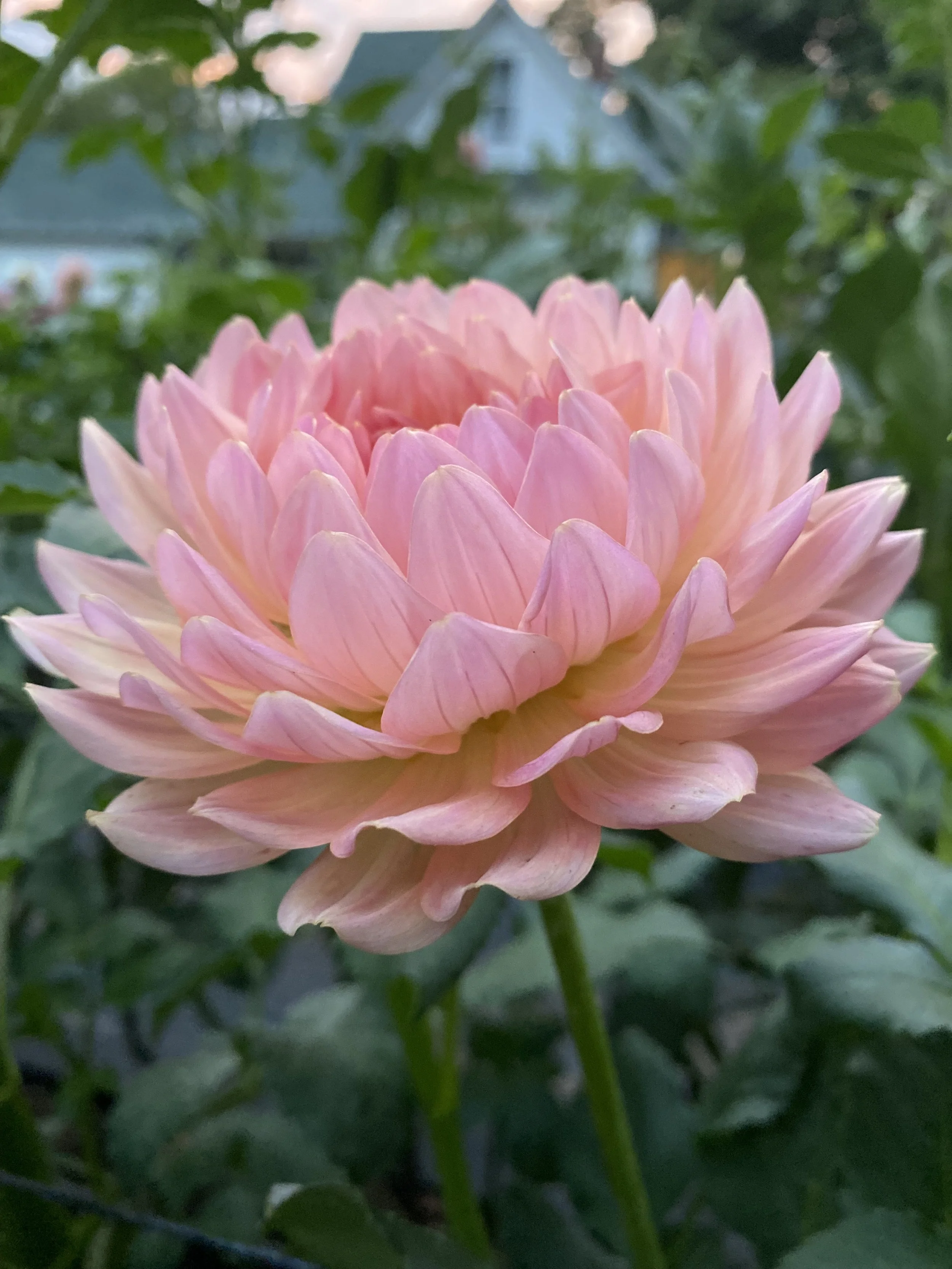
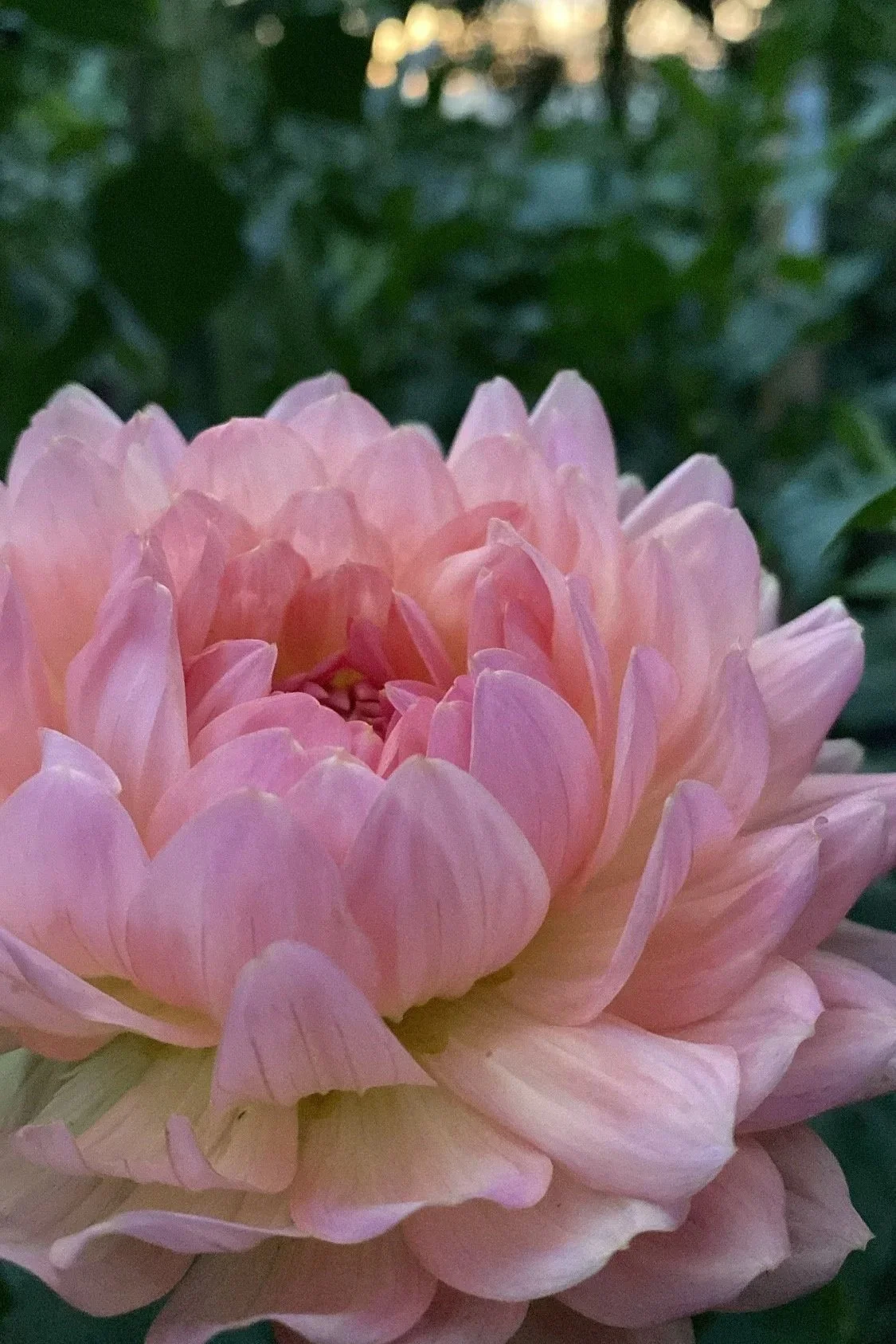
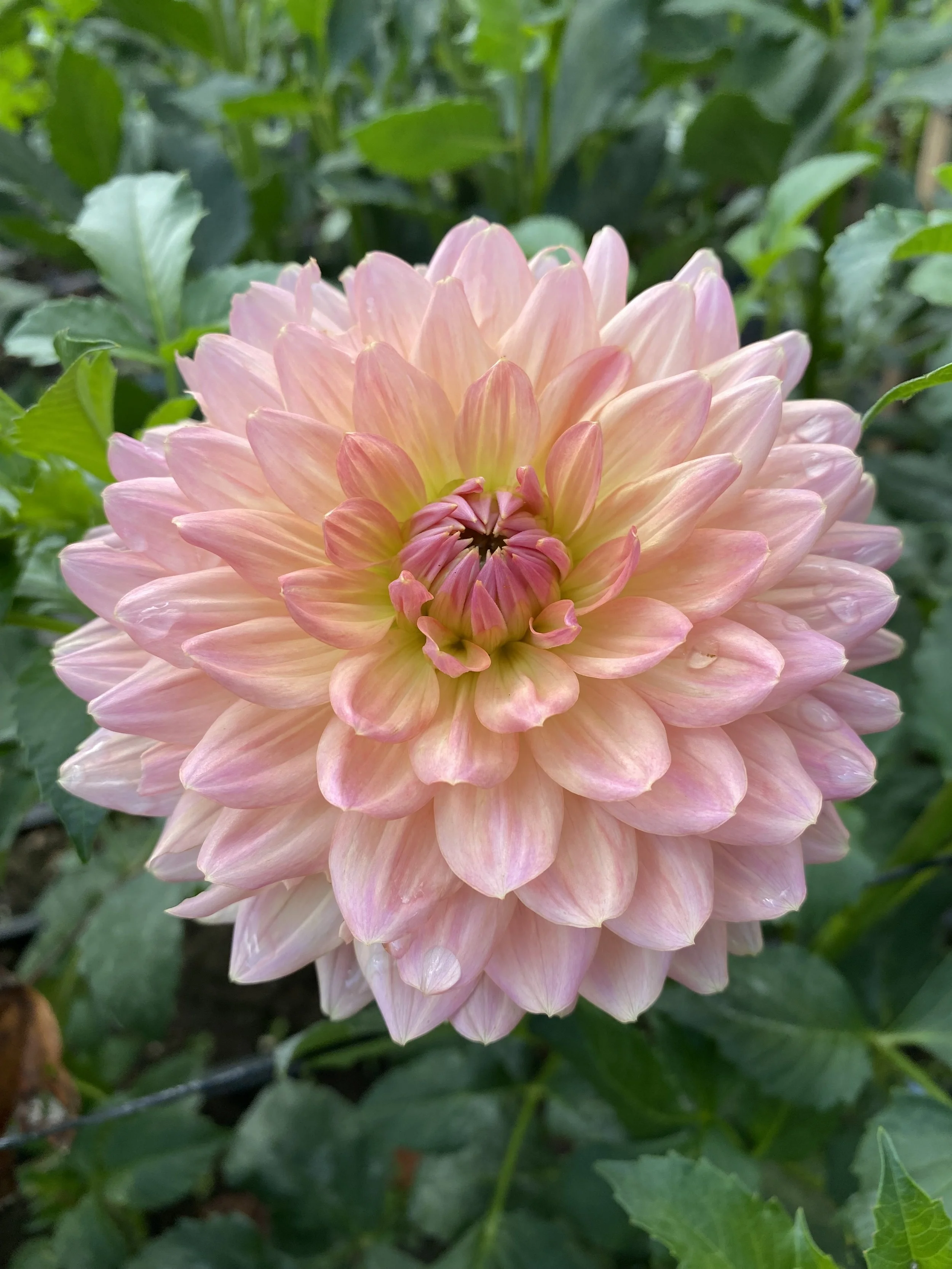
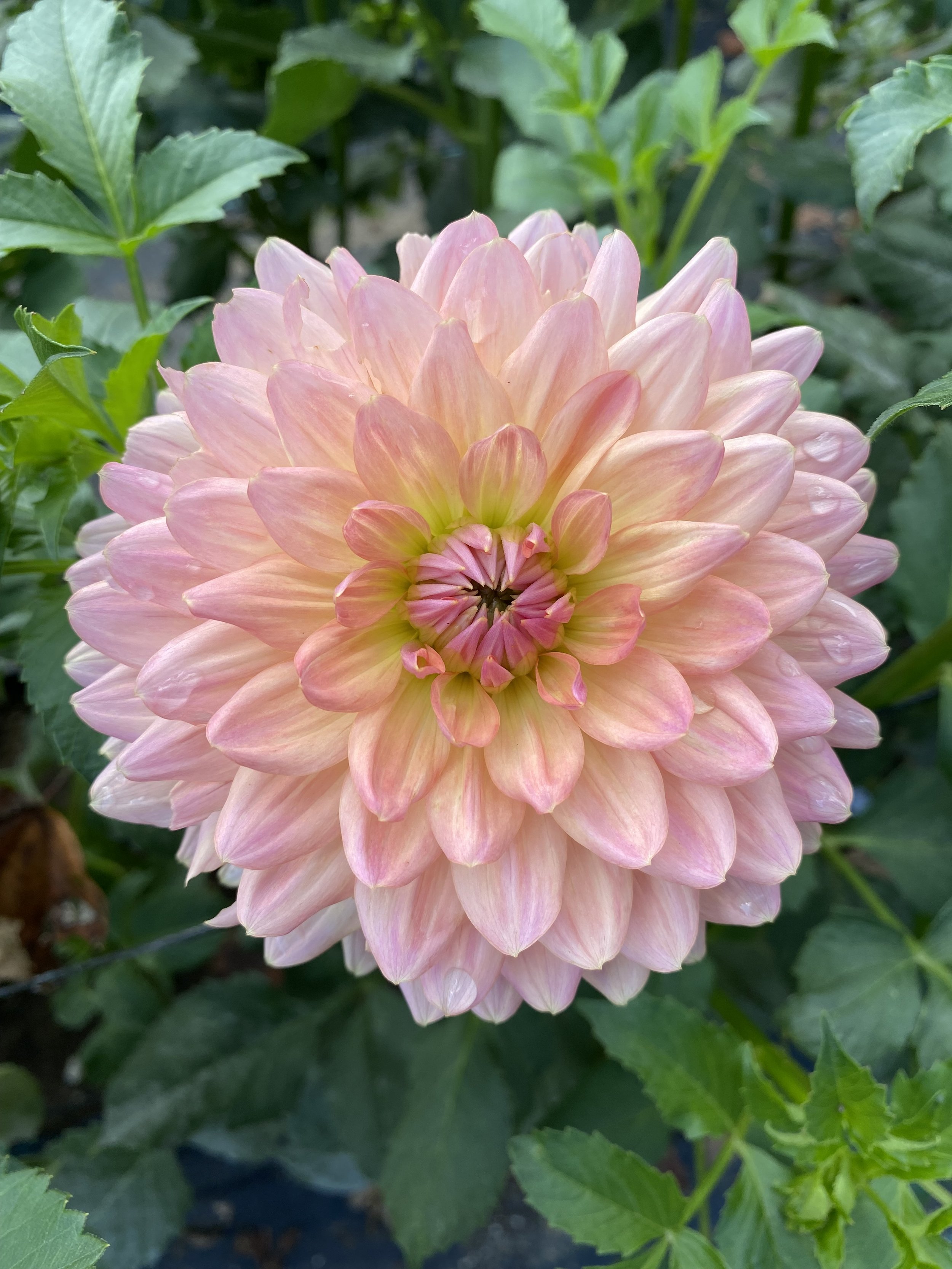
In my garden she’s primarily orange‑peach with pink undertones. The pink becomes more pronounced later in the season, as temperatures cool, and is easiest to capture on camera during golden hour. Some flowers have petal backs that reflect light differently than the petal faces; Fawn being one of them. This is due to the undersides having different pigment densities or textures—prominent veining or nanoscale ridges on the petal surface—that refract and scatter light differently, producing a metallic or iridescent sheen.

When Fawn’s blooms are fully open and absorbing more light, the petals take on a thicker, almost waxy look; from the front they read heavier and more substantial. Toward evening, as waterlily dahlias begin to close in a process called nyctinasty, the textured, lighter‑pigmented backsides become visible and the thin cupping petals appear to glow as light passes through them. The resulting color shift and shimmering iridescence makes the flowers feel ethereal, delicate, and silk‑like. It’s truly a sight to behold—just keep in mind that waterlily dahlias don’t look like this during daylight hours.

Personally, I think Fawn is beautiful in all her forms, and I highly recommend giving her a try—she’s particularly lovely to arrange with.

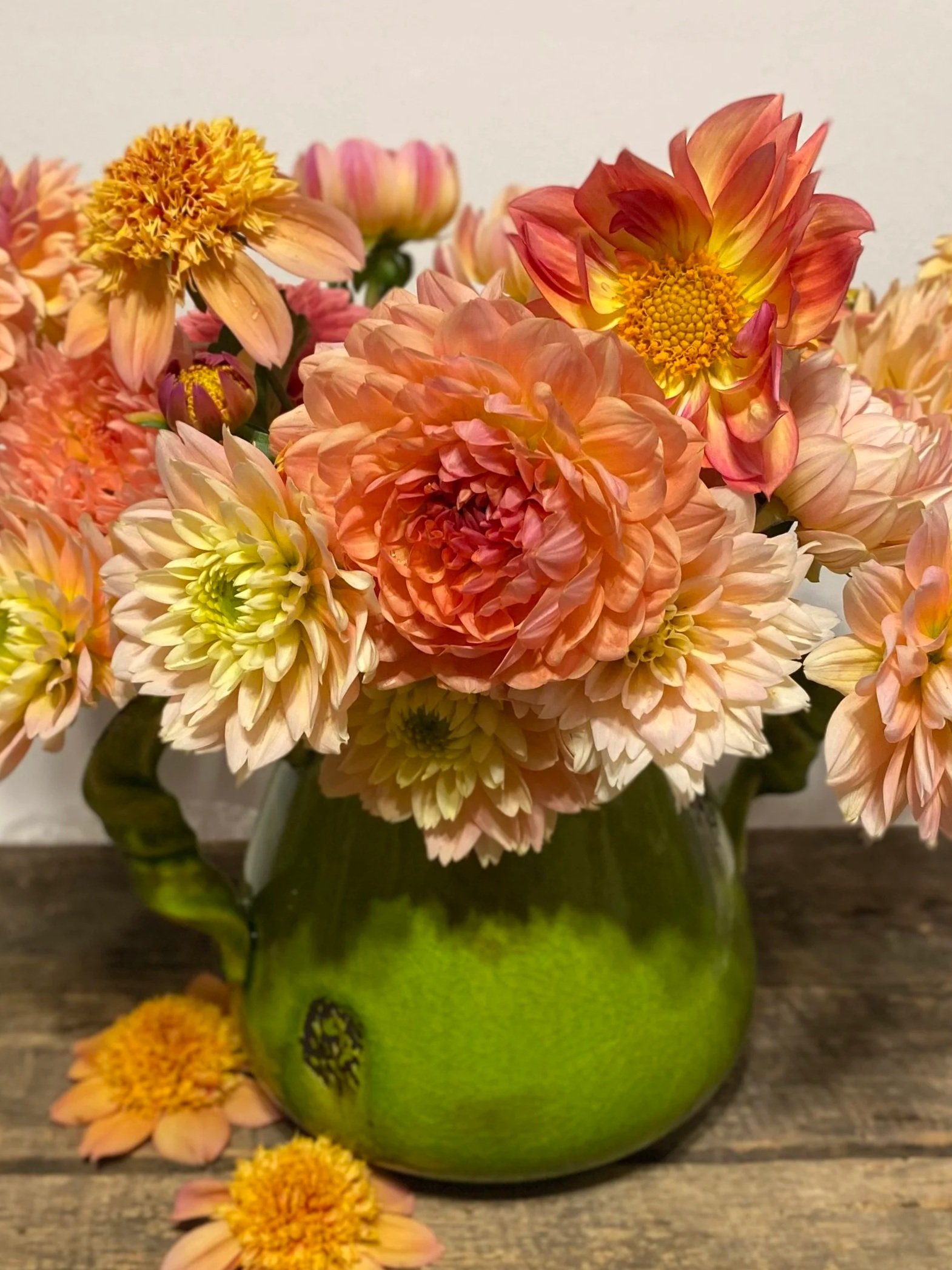
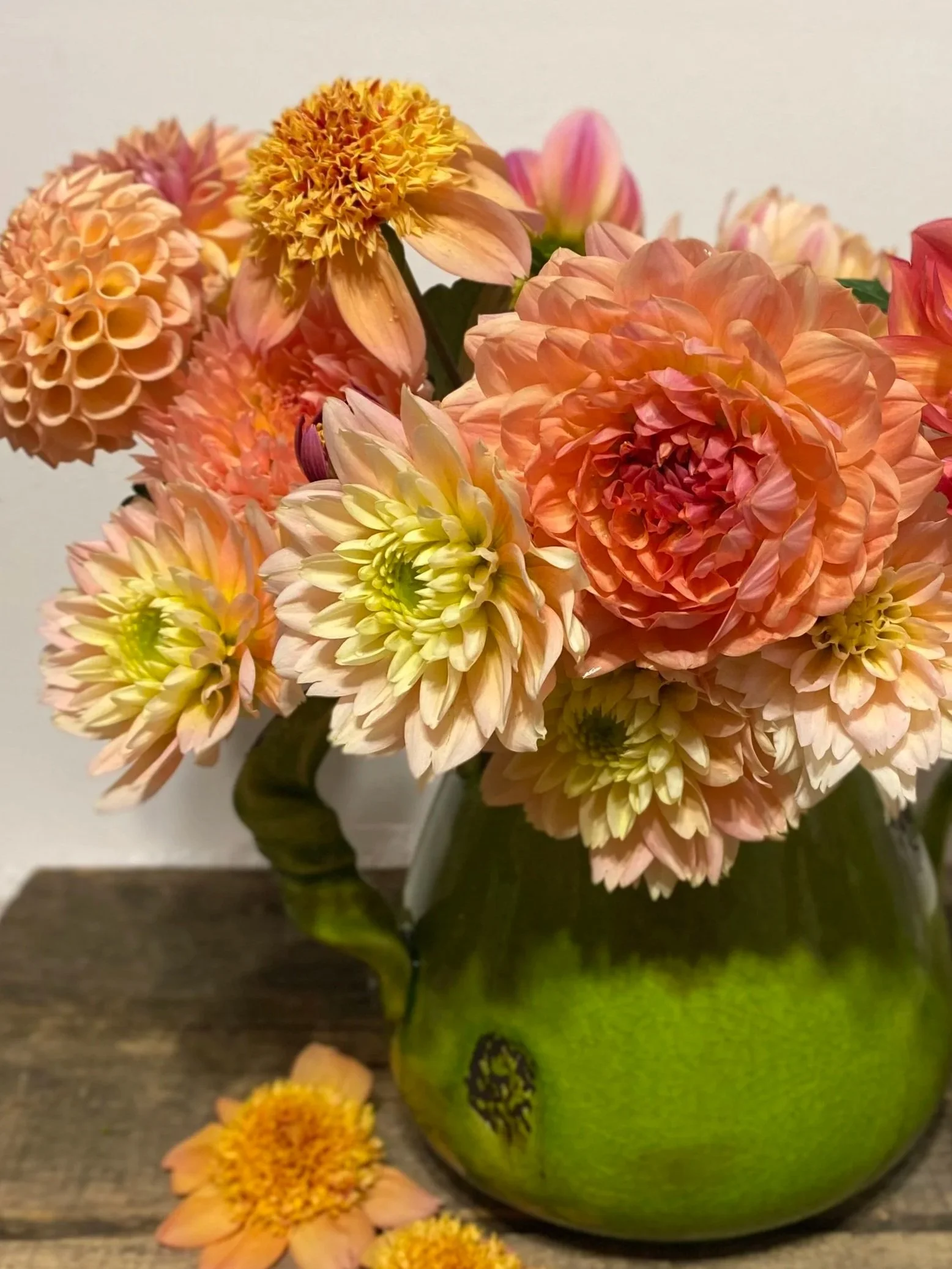
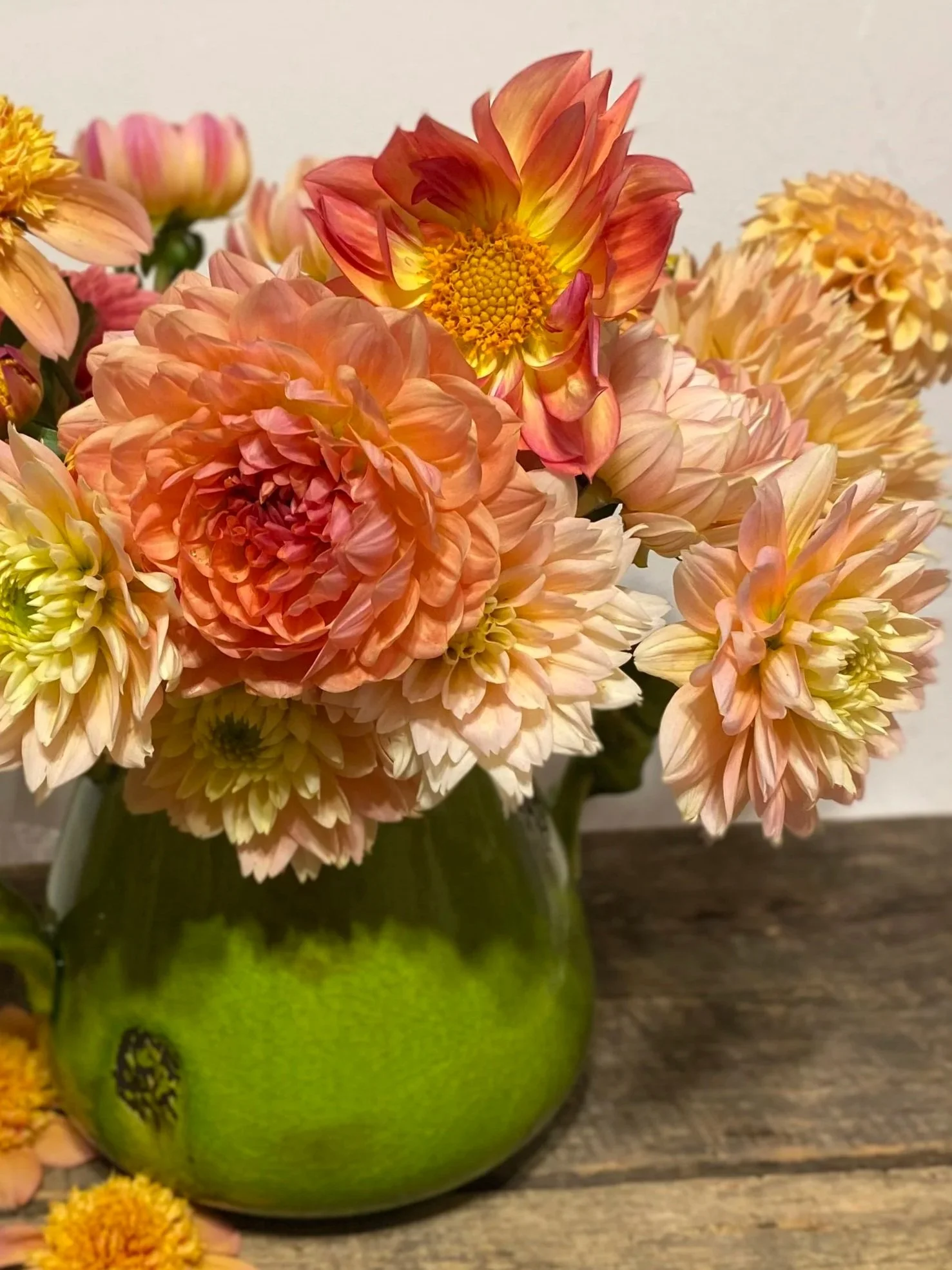
Photographed with Fawn are dahlias Sandia Brocade, Verkist Tranquility, KA’s Daybreak, and a first year Petite Floret seedling.

Fawn—a gorgeous waterlily dahlia who appears to be a bit of a shapeshifter. Before I grew her, I wondered why photos of her could look so different in color and form—continue reading for the scoop.

In my garden she’s primarily orange‑peach with pink undertones. The pink becomes more pronounced later in the season, as temperatures cool, and is easiest to capture on camera during golden hour. Some flowers have petal backs that reflect light differently than the petal faces; Fawn being one of them. This is due to the undersides having different pigment densities or textures—prominent veining or nanoscale ridges on the petal surface—that refract and scatter light differently, producing a metallic or iridescent sheen.

When Fawn’s blooms are fully open and absorbing more light, the petals take on a thicker, almost waxy look; from the front they read heavier and more substantial. Toward evening, as waterlily dahlias begin to close in a process called nyctinasty, the textured, lighter‑pigmented backsides become visible and the thin cupping petals appear to glow as light passes through them. The resulting color shift and shimmering iridescence makes the flowers feel ethereal, delicate, and silk‑like. It’s truly a sight to behold—just keep in mind that waterlily dahlias don’t look like this during daylight hours.

Personally, I think Fawn is beautiful in all her forms, and I highly recommend giving her a try—she’s particularly lovely to arrange with.

Photographed with Fawn are dahlias Sandia Brocade, Verkist Tranquility, KA’s Daybreak, and a first year Petite Floret seedling.